Three O’Clock, No Rush: Giving Sunday Afternoon a Proper Place in Gateshead’s Gaming Week
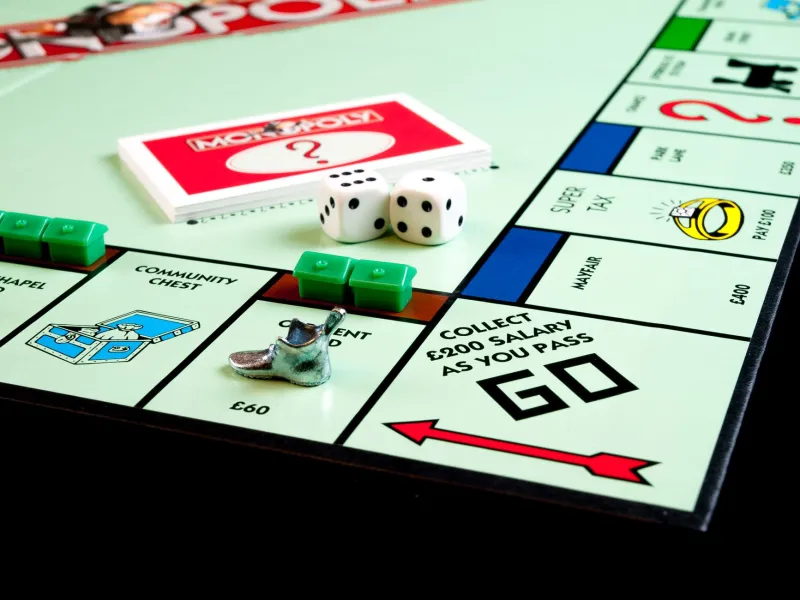
Sunday afternoon in Gateshead has a rhythm of its own. The Metro is calmer. The queue for coffee in Low Fell is shorter. Somewhere between the lunch plates being cleared and the dread of Monday settling in, there is a stretch of time that gaming has never quite claimed. That feels like an oversight.
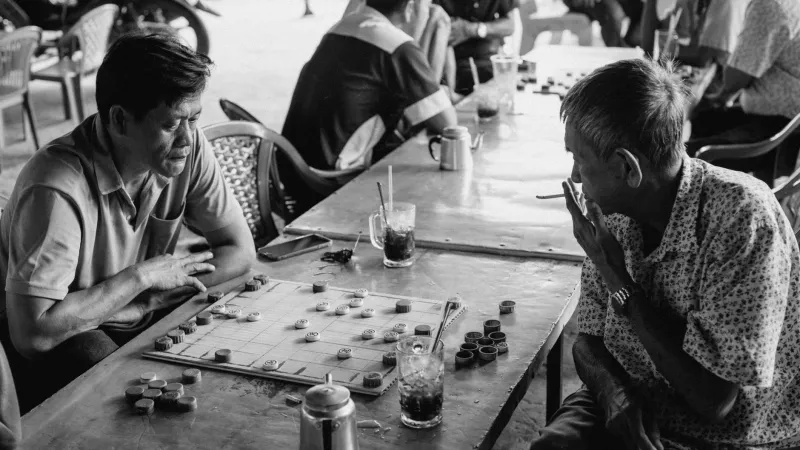
Friday night gets the headline. Tuesday league nights get the loyalty. Even the lunchtime remote-workers’ crew has a neat hook. But the 3pm Sunday table is the slot that quietly suits more people than we admit: families with younger players, shift workers coming off a weekend rota, people who find a packed pub on a Saturday night about as appealing as a 1,000-piece puzzle with no picture. If Gateshead wants a gaming scene that genuinely belongs to the whole borough, Sunday afternoon deserves a proper place in the week.
The gap between Saturday night and Monday morning
A lot of gaming culture is built around the evening. That works for plenty of people, but it quietly excludes others. Parents with young children can struggle to justify a late start. Hospitality and care workers often finish shifts when the rest of us are settling in. Some players simply do not want to be out after dark, or cannot manage a loud room by 9pm.
Sunday afternoon sits in a different lane. It is daylight, it is local, and it can be over before the weekend gets that end-of-term feeling. A 3pm start in Bensham or Dunston is not competing with Friday night. It is offering something else: a slower table, a shorter session, and a route home that still feels like part of the weekend rather than a raid on it.
This is not about replacing the late-night scene. Gateshead needs those rooms too. It is about admitting that a borough’s gaming calendar should have more than one shape.
What a slower table actually asks of a venue
The good news is that Sunday gaming does not need a specialised venue. A pub with a back room, a café with sturdy tables, a community centre with a stack of chairs and a kettle — all of these can work. The bad news is that a room which is fine for a quiz night is not automatically fine for a table of four playing something with a lot of small cards and a rulebook.
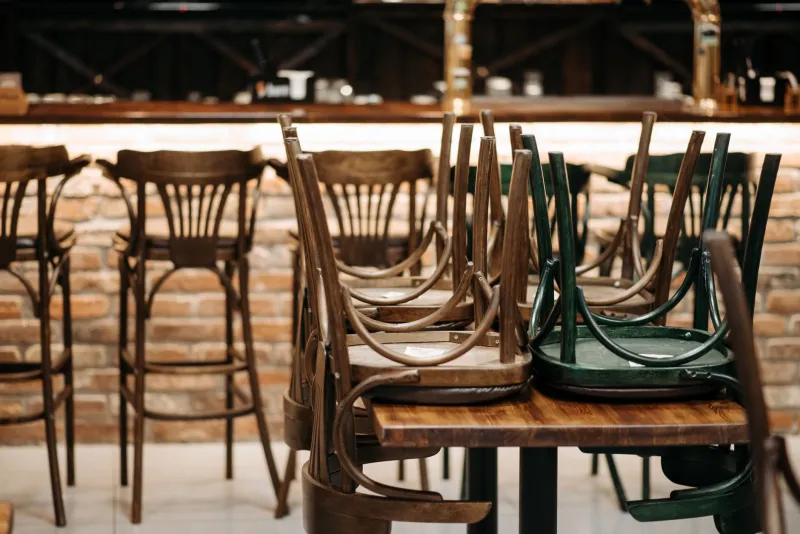
Space matters. So does table height. A low coffee table is charming until someone has to lean over a board for two hours. Venues should think about a few proper tables, not just the softest seating. They should also think about whether a group can leave a game set up for ten minutes without a passing tray wiping out the tile layout.
And they should think about the welcome before the first dice roll. A sign at the door helps. So does a named contact who is actually expecting people. The difference between ‘we have a board game thing on’ and ‘ask for Sam, we’ve saved you a seat’ is the difference between a maybe and a yes.
Light, noise, and the bit that gets overlooked
Sunday daylight is an asset, but only if the room is laid out for it. A table facing a bright window can turn half the board into a silhouette by 4pm. A dark corner with one weak bulb is worse. The sweet spot is a room with natural light that can be softened, plus a lamp or two over the playing area. It sounds fussy. It is not. Good light is the difference between reading a card and squinting at a smudge.
Noise is the other quiet killer. Sunday afternoon does not need total silence — a café with a bit of chatter is part of the charm — but it does need a room where people can hear each other without raising their voices. If the venue has a television showing sport with the volume up, the gaming table is already losing. A separate room, a corner away from the speakers, or simply turning the screen down can make a session feel twice as welcoming.
Food at the right time, and not at the wrong time
Sunday food is a tricky beast. A roast is a lovely thing, but a roast at 2pm and a game at 2:30pm is a recipe for sluggish turns and greasy cards. The practical answer is to separate eating from playing, or to keep the table food light. A 1pm lunch and a 3pm start works. So does a 3pm game with drinks and a proper meal afterwards.
Venues can help by being clear about what is available and when. A short menu of sandwiches, cake and hot drinks is often more useful than a full Sunday service that leaves the table waiting. If the room is family-friendly, a few smaller portions and a jug of water go a long way. None of this is glamorous. All of it makes people stay longer and come back.
A gentler on-ramp for newcomers and shift workers
The first ten minutes of any gaming session do a lot of work. On a Sunday, that on-ramp can be gentler without being patronising. A greeter at the door. A table of short, friendly games. A clear note that nobody is expected to know the rules before they arrive. ‘We’ll teach you’ is a powerful sentence, especially on a day when people are already a bit tired.
This is also where shift workers get a fairer shot. A Sunday afternoon session can fit around a weekend rota in a way that a Thursday league night cannot. It can work for someone coming off an early shift, or someone who wants a game before a Monday start. It can work for families who need to be home for tea. The point is not that Sunday is better than every other slot. The point is that it is different, and different is exactly what a community calendar needs.
Building the 3pm ritual
A reliable session is built on boring things: the same time, the same room, a clear contact, and a promise that a table will be there even if only three people turn up. Sunday afternoon is perfect for that kind of consistency. It does not need a big launch. It needs a venue willing to put a few tables aside, a host willing to bring a bag of accessible games, and a few regulars willing to make the first month feel normal.
Gateshead already has the pieces. It has pubs with back rooms, cafés with long tables, community spaces near Saltwell Park and along the quays, and players who are happy to teach. What it lacks is a settled Sunday habit. That is fixable. Start with one room, one afternoon, one clear 3pm start. Put the lights right, keep the noise down, time the food sensibly, and make the first-timer feel expected rather than tolerated.
The weekend does not have to end in a scramble. In Gateshead, it could end around a table, with a cup of tea, a short game, and no rush at all.