Behind the To Let Sign: Could Gateshead’s Empty Shops Become Its Friendliest Gaming Rooms?

Photo: michael ely , CC BY-SA 2.0, via Wikimedia Commons
Walk through Gateshead town centre on a wet Saturday and you’ll see the same thing as most UK high streets: shutters down, windows papered over, a few To Let signs flapping in the wind. It’s easy to read those empty units as a full stop. But in 2026, with high streets still shifting shape and gaming groups hunting for space, they could be something else entirely: a comma.
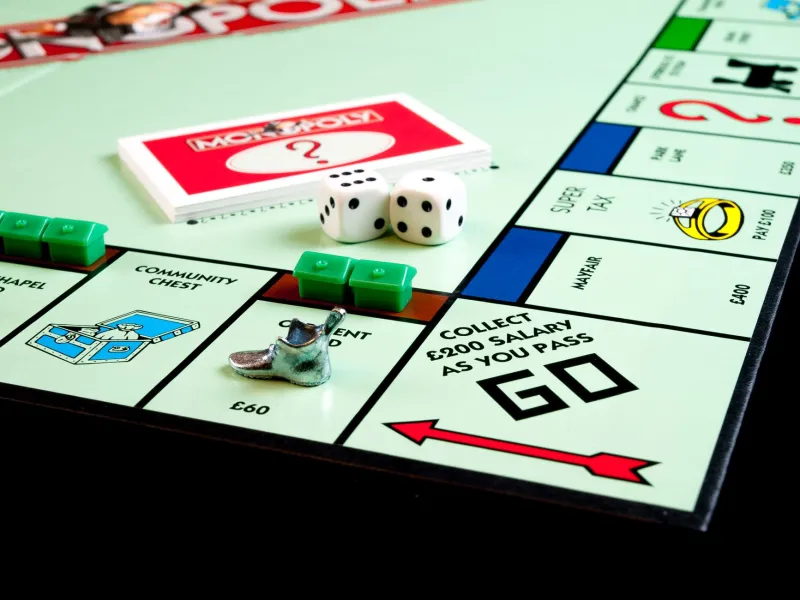
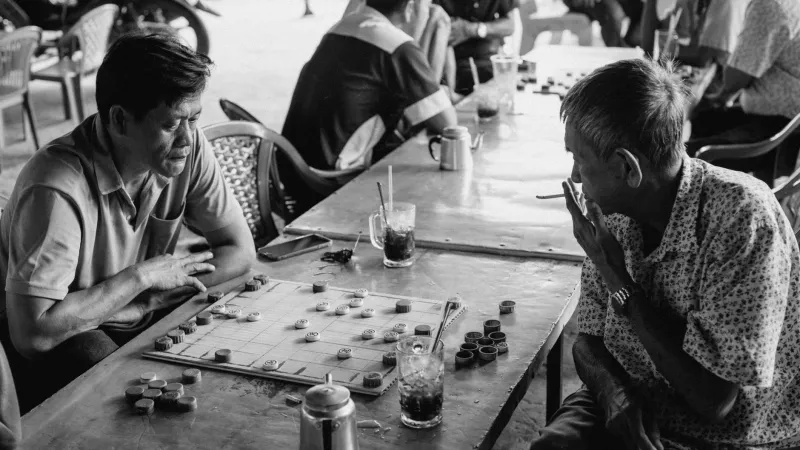
Not every vacant shop should become a games room. Some are too dark, too damp, too awkward, or too far from a bus stop. But enough of them are sitting empty for long stretches that the question is worth asking out loud. Could Gateshead’s empty retail units become temporary homes for board game nights, esports hubs, retro consoles and community playrooms? And what would it take for one to feel like a proper welcome rather than a favour with trestle tables?
The units we walk past
Gateshead is not short of candidates. There are empty units around the town centre, along busy stretches in Low Fell and Felling, and in local parades from Birtley to Blaydon where a former shop can sit quiet for months. Some are small enough for a dozen players. Some have back rooms that could hold a painting session or a small tournament. A few have the thing every gaming night secretly needs: a decent loo and a door you can shut.
A good meanwhile gaming space needs more than four walls. It needs level access or a workable plan for anyone who can’t use steps. It needs heating, lighting, working fire exits and enough sockets that nobody is daisy-chaining extensions across a play mat. It needs a location people can reach by Metro, bus or a short walk from home. And it needs a landlord who understands that “a few gamers” does not mean “a rave”.
What ‘meanwhile use’ actually means
Meanwhile use is the polite term for making use of a building while it waits for its long-term future. It might be a short lease, a licence to occupy, or a weekend-by-weekend arrangement. The point is that the space is not sitting idle, and the organiser is not signing up to a ten-year commitment they can’t afford.
For landlords, the appeal is practical. An occupied unit is less likely to be broken into, less likely to look abandoned, and more likely to attract interest from people who can actually see a use for it. For organisers, the appeal is obvious: a room you can book for a month is a lot less scary than a permanent venue with a permanent rent bill.
But meanwhile use is not a magic wand. It still needs paperwork, insurance and a clear understanding of who is responsible when the boiler dies or the key doesn’t turn. A handshake is lovely. A written agreement is better.
The money conversation
This is where the dream meets the spreadsheet. Even a cheap unit is rarely free. There may be a small rent or licence fee, utility bills, cleaning costs, furniture, signage, storage and insurance. Public liability cover is essential. A fire risk assessment needs doing. If the space is open to the public, accessibility and toilet provision have to be part of the plan, not an afterthought.
Organisers should also check planning and business rates with Gateshead Council before assuming anything. Temporary use can be simpler than a permanent change of use, but “can be” is doing a lot of work in that sentence. Get advice. Write the costs down. A weekend pop-up that looks cheap can get expensive fast if you forget the boring bits.
None of this means only big organisations can do it. A small crew with a clear budget, a sensible landlord and one good weekend can prove the idea. But the budget has to be honest. Gamers are generous with crisps and dice. They are less useful when the electricity meter needs topping up.
A room that doesn’t feel like a favour
There is a difference between a makeshift room and a welcoming one. A makeshift room has a handwritten sign taped to the door, one working plug and a smell of old carpet. A welcoming room has a clear opening time, someone on the door, decent lighting, a layout that makes sense and a quiet corner for anyone who needs a breather.
That stuff matters. If a first-time player walks in and feels like they’ve interrupted a private club in a borrowed shop, they won’t come back. If they’re greeted, shown where to sit and given an easy game to start with, they might bring a friend next week.
So the design brief is simple: make it feel intentional. Borrow good tables. Put up a proper sign. Label the toilets. Keep the tea and water where people can find them. Have a host who isn’t also running a five-player game. And don’t fill every square inch with consoles and cables. Empty space is part of the welcome.
What organisers need from landlords
Landlords and organisers should talk plainly about access times, key holding, storage, utilities, insurance, signage and rubbish. Who opens up? Who locks up? Who pays for the electric? What happens if a window gets broken? Can the group leave tables between sessions, or does everything have to vanish on Sunday night?
A short, clear agreement protects both sides. It also makes the whole thing look less like a favour and more like a proper community arrangement. That matters when organisers need to reassure parents, volunteers or a local councillor that the gaming night is run responsibly.
Start with one weekend
Gateshead doesn’t need a grand masterplan before anyone rolls a dice. It needs a pilot. One empty unit. One weekend. One board game night, a retro console corner or a small esports session. Invite people in, count the footfall, take photos, ask what worked and what didn’t. Then do it again if it makes sense.
If the trial works, the model can travel. A quiet unit in Birtley could host a family games afternoon. A town centre space could run a lunchtime card table. A former shop with a back room could become a small painting club. None of it has to be permanent to be worthwhile.
The sign on the door
The To Let sign is not the end of the story. It’s an invitation to ask a better question. What if the next great Gateshead gaming room is behind a window that currently says nothing at all?
Landlords: if you have a unit sitting empty, talk to organisers. Organisers: if you’ve got a crew and a plan, talk to landlords. Gamers: keep showing up when someone tries something new. The borough already has the people, the tables and the enthusiasm. What it needs next is a few doors that are willing to open.