Early Doors, Open Tables: The Case for a 6pm Gaming Crew in Gateshead
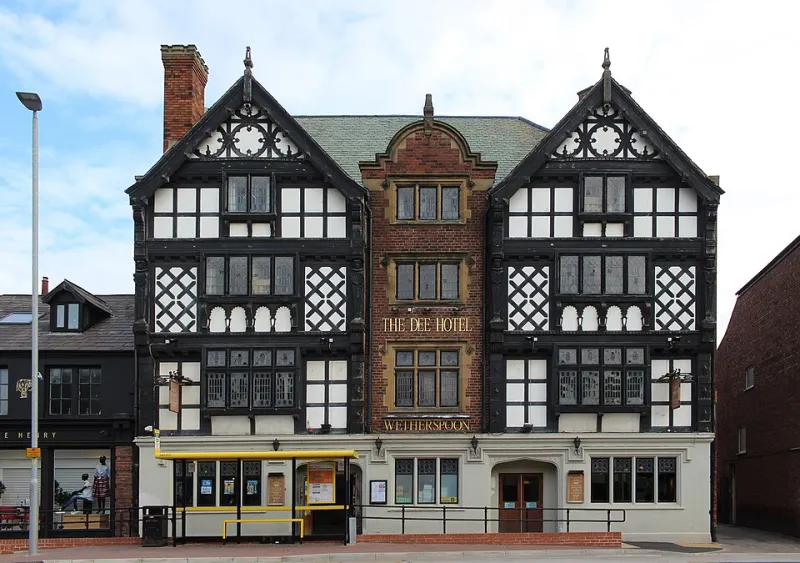
Photo: Rodhullandemu, CC BY-SA 4.0, via Wikimedia Commons
There is a version of a gaming night that starts at 8pm, finishes at 11pm and assumes everyone can stay out late, drink a pint and find a bus home. It is a good version. It is also not the only version Gateshead needs.
A 6pm club would not replace the late-night lobby. It would sit before it, catching the people who are already being missed: the parent who needs to be home by 9, the worker coming in from Team Valley, the non-drinker who does not fancy a pub, the teenager who is not ready for a late city-centre event, and the player who simply does not want to be out after dark. Welcome to the early doors crew.
The 6pm club is not about banning pints or making gaming serious. It is about taking the pub out of the doorway. Sober-friendly does not mean sober-only. Beginner-friendly does not mean boring. Slightly chaotic is not a bug. It is the thing that makes a room feel alive.
Why 6pm works in Gateshead
Gateshead has a very particular after-work rhythm. The Metro is buzzing, the retail parks are emptying, and the bridges are full of people moving between town and home. A 6pm start catches that flow. It also fits around caring duties, tea time, homework and the very real fact that some people do not feel safe walking home late.
Early evenings are also better for players who find loud, crowded rooms difficult. A 6pm session can start with softer lights and lower music, then build up as people arrive. That is not mollycoddling. It is good event design.
And yes, 6pm is early. That is the point. It gives the night a runway. You can play for two hours, have a proper chat, and still be home before the late bus. You can bring a mate who has never held a controller. You can leave when you need to.
Format one: co-op Switch nights
This is the easiest place to start. Mario Kart, Overcooked, Switch Sports, Snipperclips, TowerFall. Games that are fun when you are good at them and funny when you are not. The setup is simple: one or two consoles, a projector or a decent telly, extra Joy-Cons, and a host who explains the controls without turning it into a lecture.
Run it from 6pm to 8.30pm in a library room, community centre or café that closes early. Have a first-timer table and a louder table. Keep the rules light. Rotate players so nobody hogs the pad. A 6pm Switch night is not a tournament. It is a front room with better snacks.
Format two: learn-to-play tabletop tables
Tabletop is where the 6pm club gets really interesting. A learn-to-play table can start at 6pm with a host teaching a simple game like Ticket to Ride, Azul, Codenames or Forbidden Island. By 7pm, the table is playing. By 8pm, people are swapping numbers and arguing about train routes.
The key is to label the table clearly. Beginner-friendly means a host who actually teaches, not a group that says ‘we will explain as we go’ and then wins in 20 minutes. Keep the player count small. Have a second table for people who already know the game. End on time. Nobody wants to be the person who has to leave during the final round.
Format three: casual fighting-game lobbies
Fighting games have a reputation for being intimidating. A casual lobby can fix that. Tekken 8, Street Fighter 6, Super Smash Bros. Set up two screens, a couple of pads and a rule: no trash talk, no winner-stays-on forever, and a beginner bracket that runs alongside the main lobby.
Run it from 6pm to 8pm. Have a host who can show basic moves and a quiet corner for players who want to watch first. The chaos comes from the commentary, the upsets and the person who insists they are not mashing. The structure keeps it welcoming.
How to run it without relying on pub sales
The first mistake is assuming the venue needs a bar. It does not. Libraries, community centres, church halls and cafés can all host an early-evening session. Ask for an hourly room rate rather than a minimum spend. Offer to pay for staff time if the venue stays open late for you.
Charge a small ticket price, £3 to £5, with a pay-what-you-can option. Use the money for room hire, snacks and controller batteries. Ask the venue to sell soft drinks and tea. If they cannot, bring squash and biscuits. Nobody has ever left a gaming night because the squash was too warm.
Apply for small community grants. Partner with a library. Borrow equipment from regulars. Write a simple access and behaviour note. Have a named first-timer host. Publish the start and end time clearly. And do not make alcohol the default. If there is a bar, fine. If there is not, also fine.
The 6pm club is not anti-pub. It is pro-choice. It says that a gaming night can be sober-friendly, beginner-friendly and still slightly chaotic. It can fit around a Metro timetable and a tea-time routine. It can be the first step into a community, or the only slot someone can make. Gateshead has the players. It just needs more doors open early.