Shuffled In: The Nervous Newcomer's Field Guide to Card Tables in Gateshead
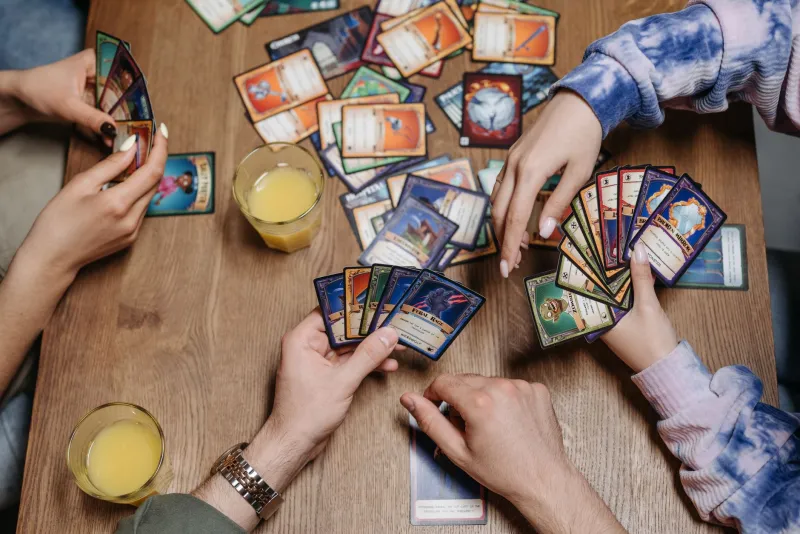
On a wet Tuesday in Gateshead, the loudest room in the borough might be a community hall with six folding tables, a kettle and a stack of playmats. There is no big screen. No commentary booth. Just the rustle of card sleeves and someone saying, very patiently, 'okay, so first you attach the energy.'
Trading card games have a reputation problem. People picture cramped comic shops, impenetrable rules and someone sighing at a newcomer. The reality in Gateshead is warmer, cheaper and far more social than that. Across the borough, weekly Pokémon, Magic: The Gathering and Disney Lorcana meetups are quietly doing what pubs and clubs have done for generations: giving people a reason to leave the house and sit opposite someone they have never met.
A social scene that fits in a backpack
The appeal is simple. You need a deck, a table and about two hours. That is it. No console, no PC, no subscription. A starter deck fits in a backpack next to your keys. A weekly entry fee, where one exists at all, is often the price of a coffee and a cake. And the games themselves are built around conversation. You cannot play Commander without chatting. You cannot trade cards without asking. You cannot learn a new set without someone explaining it.
That low barrier matters in a borough where gaming can still feel spread out. Gateshead has brilliant pockets of play, but they are not always obvious from the outside. Card nights fill a gap. They are regular, they are local and they are run by people who genuinely want more players at the table.
What a typical night actually looks like
Most nights follow a loose rhythm. Doors open around 6pm. The first twenty minutes are for buying snacks, unpacking decks and hovering awkwardly near the organiser. That hovering is normal. Tell someone it is your first time. You will be pointed towards a learn-to-play table faster than you can say 'booster pack'.
The first hour is usually casual play. At a Pokémon League, that might mean a few friendly games with theme decks while someone explains weaknesses and retreat costs. At a Magic night, it might be a Commander pod where four players share a table and negotiate badly. At a Lorcana meetup, it could be a starter-deck showdown with a patient regular talking you through questing. Nobody expects you to know the meta. Nobody expects you to own a £200 card. The only expectation is that you are willing to learn.
Around halfway through, there is often a break. This is when the real social side kicks in. Trade binders come out. People compare pulls. Someone announces they finally got the card they needed. Someone else admits they bought another booster box and has regrets. The break is not filler. It is the bit where friendships start.
The unwritten rules that keep it welcoming
Card nights run on etiquette. Most of it is obvious once you see it, but it helps to know before you go.
Ask before touching anyone else's cards. Always. A trade binder is not a browsing rack until the owner says it is. Do not riffle shuffle someone else's deck. Do not give unsolicited coaching after every mistake. If you are losing, lose clearly and kindly. If you are winning, do not explain the entire match back to your opponent unless they ask. Keep drinks away from the table. Call the organiser if you are unsure about a rule. And if someone offers to lend you a deck, treat it better than you treat your own.
The organisers enforce this gently. Danielle, who runs a Tuesday Pokémon night in a community room near the town centre, has a laminated sheet of house rules that mostly boils down to 'be sound'. Mo, who hosts Commander games in a shop back room in Low Fell, keeps a box of spare sleeves and a stack of basic lands for anyone who turns up short. Chris, who runs a monthly Lorcana table in Bensham, starts every session by asking who is new and pairing them with a regular. None of them are paid much, if at all. They do it because they want the scene to exist.
Start for less than a takeaway
This is the part that surprises people. Trading card games have a reputation for expense, and at the top end that reputation is earned. But grassroots play is not the top end. A Pokémon Battle Academy box costs around £25 and contains three ready-to-play decks. A Disney Lorcana starter deck is often £15 to £20. A Magic: The Gathering starter kit is similar. Add a pack of sleeves for a fiver and you have a complete evening's entertainment for less than a takeaway for two.
You do not need a trade binder. You do not need rare cards. You do not need to know what 'standard rotation' means. Buy a starter deck, ask the organiser where to sit, and play the deck as it comes. If you enjoy it, buy a few singles later. If you do not, you have lost the price of a cinema ticket and met some new people.
Finding your table
The best way in is to message the organiser before you go. Most nights have a social media page or a listing in a local group. Say you are new, say what you play, and ask what time to arrive. If you have no idea what you play, say that too. Organisers are used to it.
Turn up ten minutes early. Bring a water bottle. Bring cash for a table fee if there is one. Check the last bus or Metro home before you start a second game. Gateshead's card nights are friendly, but they are not worth a stressful night bus.
And if you are nervous, remember this: everyone at that table was once the person hovering by the door with a starter deck and no idea where to sit. The whole point of a good local scene is that someone eventually waves you over. In Gateshead, that someone is usually already there, sleeves ready, kettle on.