Thrift, Check, Play: Building a Board Game Shelf from Gateshead’s Charity Shops
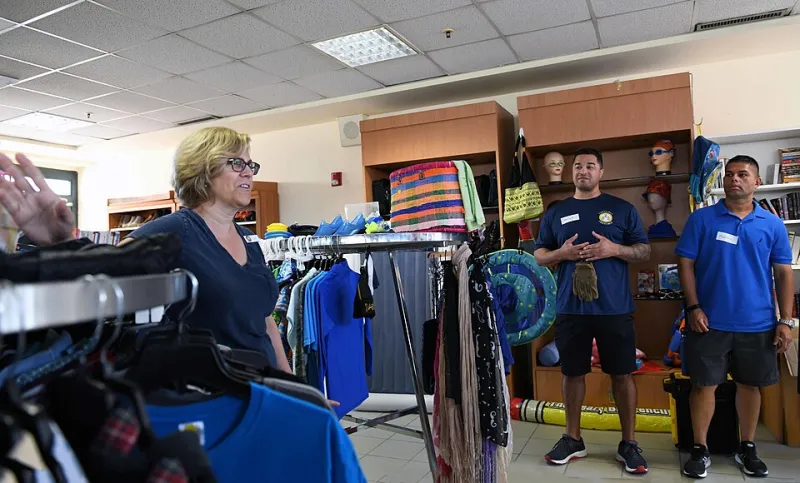
Photo: U.S. Navy USNSA-N by Petty Officer 1st Class Indra Beaufort, Public domain, via Wikimedia Commons
Twenty quid does not go far in a games shop. In a Gateshead charity shop, it can buy two or three complete games, a puzzle for the shelf and a spare set of dice for the drawer. The catch is that charity-shop board games are not curated. You are not browsing a shelf where someone has already checked the piece count. You are treasure-hunting with a cardboard box and a hopeful expression.
That is not a reason to avoid them. It is a reason to shop smart. A complete second-hand game is one of the best-value purchases in the hobby, and Gateshead has plenty of places to look if you are willing to spend a little time checking the box before you commit.
Why charity shops are still the best-value table
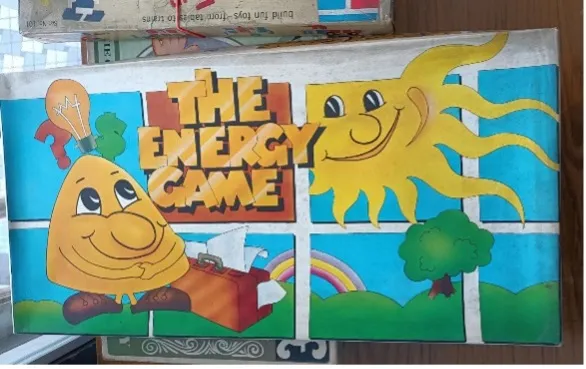
Charity shops get a strange and wonderful mix of games. Some are tired family classics with missing counters. Some are modern hobby games donated by someone who played them twice and moved on. Some are strange local editions, old party games or children's titles that are genuinely fun after a glass of something.
The risk is obvious: missing pieces. But the maths is still in your favour. If you pay £4 for a game and it is complete, you have done well. If it is missing one token, you have a craft project or a donation back to the shop. The trick is to avoid paying £15 for a box that turns out to be a shell.
Where to hunt in Gateshead
- Gateshead High Street and Low Fell. The charity-shop clusters are good for a lunchtime rummage. Low Fell in particular has a steady turnover of family games and the occasional hobby box.
- Blaydon, Whickham and Dunston. Smaller shops often have less competition from dedicated collectors. Ask staff if they have games out the back; some shops keep them under the counter until there is shelf space.
- Weekend car boots around the borough. Be there early, bring cash and a bag, and do not be shy about opening the box before you buy. A seller who will not let you check is a seller to walk away from.
- Community swaps and library noticeboards. School fairs, church halls and community centre swap days are goldmines for complete family games at low prices. They are also the best place to pass on the games your own shelf has outgrown.
- Metrocentre charity shops. Less quirky than a back-room rummage, but handy if you are already there and want a quick scan.
The two-minute completeness check
Before you pay, run this checklist. It will save you from most of the heartbreak.
- Box condition. A battered box is fine if the contents are dry and intact. A damp or mouldy box is not worth the risk. Give it a sniff.
- Component list. Most games print a parts list on the back, the side or inside the lid. Find it, then count the big things: boards, cards, dice, miniatures, tokens, player aids.
- Instructions. No rulebook is a red flag unless you already know the game or can find the rules online. Even then, a missing rulebook lowers the value.
- Edition and language. Check whether it is the edition you think it is, and whether the text is in English. A cheap foreign-language edition is only a bargain if you can read it or find a translation.
- Completeness clues. Shake the box gently. Listen for loose pieces. Open it. Count a sample of the small stuff. If the seller has bagged the pieces, ask to check the bags.
- Expansions and inserts. Make sure the box is the base game, not an expansion you cannot use. Check that the insert is not hiding missing pieces.
- Price versus reality. A £10 incomplete game is worse value than a £4 complete one. Do a quick phone search for the retail price and the game's reputation before you commit.
- Smell and storage. Musty cardboard spreads. If the box has been in a garage for a decade, inspect the cards for warping and the board for water marks.
The £20 challenge
Try this on your next Saturday in Gateshead. Take a £20 note and a short wishlist: one family game, one two-player game, one silly party game. Visit three shops. Check every box properly. Buy only what passes the checklist. You will probably come home with one or two complete games and a story about the one that got away.
That is the joy of it. You are not building a collection by spending big. You are building it by paying attention. A complete copy of a decent family game for £5 is a better investment than a shrink-wrapped novelty you will play once.
Donate, swap, repeat
Charity-shop gaming is a cycle, not a one-way haul. If you buy a game, play it, and decide it is not for you, put it back into the community. Donate it to a charity shop with a note saying which pieces are missing. Take it to a swap night. Give it to a school or community centre. Do not strip a box for parts and leave the rest on the shelf for the next person to discover.
If a game is incomplete but still playable, label it clearly. If it is missing too much, recycle what you can and pass on the dice and tokens to a local club. The point is not to hoard every £3 bargain. The point is to keep games moving around Gateshead, from one table to the next.
Your move
Set a budget, carry the checklist, and treat every charity-shop box as a small investigation. Gateshead's shelves are full of games that need a second chance. With a little patience and a sharp eye for missing meeples, your £20 can build a shelf worth playing.