The Solder and the Stick: Why Gateshead Needs a Controller Repair Bench
Stick drift is the gaming equivalent of a creaky stair. You notice it first in a quiet moment: a menu cursor sliding left, a character creeping forward when your thumbs are nowhere near the stick. Then it gets worse. Suddenly a £55 controller is a paperweight, and the bin is one bad decision away. In Gateshead, where gaming happens in living rooms, libraries, cafés and community halls, that bad decision is worth challenging. The repair-café model already has a foothold across Tyneside. The question for 2026 is whether it can stretch from kettles and lamps to controllers, consoles and the rest of our gaming kit.
Why a controller clinic makes sense here
Gateshead is not short of practical, make-do-and-mend energy. Charity shops, makers, tinkerers and the sort of people who keep a drawer of adapters 'just in case' are already part of the local fabric. Gaming hardware fits that mindset neatly. A drifting thumbstick is often a worn potentiometer, a bit of grime, a loose connection or a module that can be swapped rather than a dead controller. A noisy console fan is often dust. A tired battery is often a battery. None of that is magic, and none of it needs a factory reset of the whole household budget.
The grassroots argument is simple: keeping kit alive keeps people playing. A repair bench lowers the cost of staying in the hobby, keeps usable hardware out of e-waste and gives younger players a chance to learn that their gear is not a sealed black box. It also creates the sort of low-pressure, drop-in social space that Gateshead's gaming scene does well. You do not need a tournament bracket to build community. Sometimes you just need a table, a lamp, a cuppa and someone saying, 'Let's have a look at that.'
What a fix-it table could actually fix
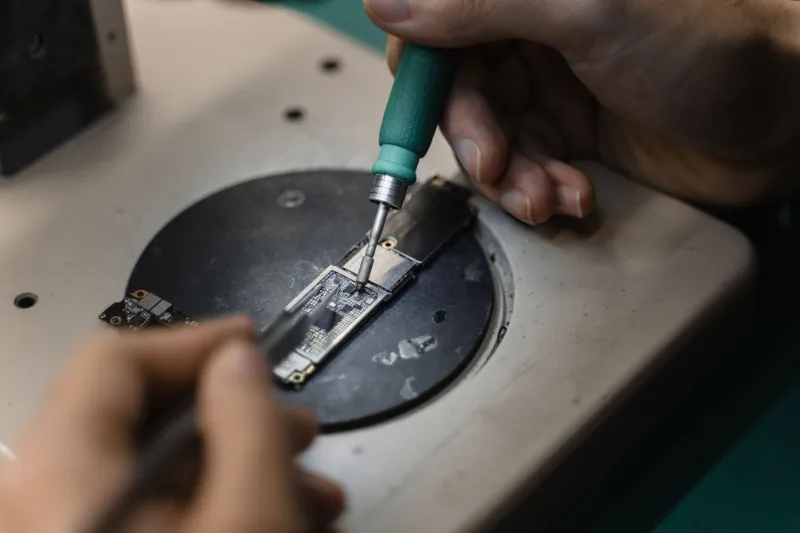
A monthly controller clinic should start with the jobs that are realistic for a volunteer-led session. Stick drift is the headline act. Volunteers could test pads, clean around the stick housing with isopropyl alcohol, check for debris, calibrate deadzones where the software allows it and replace thumbstick modules on controllers that are designed to be opened. Hall-effect upgrade kits exist for some models, but they are not a beginner's first soldering job. The honest version of this service is part diagnosis, part simple fix, part signposting.
Other jobs fit the same table: worn thumbstick caps, sticky face buttons, frayed charging cables, failing controller batteries, dusty console vents and fans that sound like a small aircraft. A careful clean of a console fan and heatsink can make a real difference, provided the machine is unplugged, the fan is not spun with compressed air and nobody is poking around a power supply. Safety has to be the first rule, not a laminated afterthought. Patience is the second.
The kit, the parts and the reality check
A basic bench does not need a laboratory. It needs good light, a decent screwdriver set, plastic pry tools, isopropyl alcohol, cotton buds, a soft brush, thermal paste, a multimeter, a soldering iron for the brave and a stash of common parts. The awkward bit is parts. Controller revisions vary wildly, and a thumbstick module that fits one pad will not fit another. A good clinic would keep a small stock of the most common bits and ask people to bring their own replacement modules where possible. That keeps costs down and avoids a drawer full of almost-right components.
The reality check is equally important. Not every controller is worth repairing, and not every fault is a five-minute fix. Water damage, swollen batteries and chewed cables need careful handling. A repair café should be clear about what it can and cannot do, and it should never promise a miracle. The win is a culture where opening something up is normal, where a failed attempt is still a lesson and where 'take it to the tip' is not the only sentence in the script.
Where it could happen in Gateshead
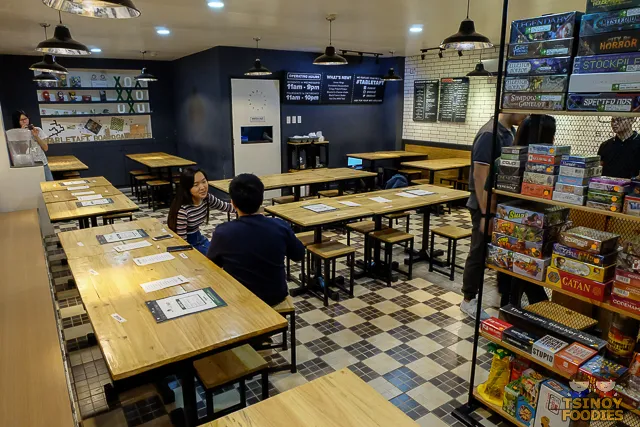
Gateshead already has the ingredients: library spaces, community centres, cafés with back rooms and the kind of local venues that host clubs on a weekday evening. A monthly fix-it table could rotate around them. One month in a library meeting room, the next in a community hall with good tables and parking, the next alongside an existing gaming night. The venue does not need to be glamorous. It needs to be warm, accessible, well lit and easy to reach by bus or Metro. It also needs a risk assessment, a first-aider and a clear policy on anything with a battery or a mains plug.
The people are already around, too. Repair-café volunteers know their way around a soldering iron. Makerspace regulars can diagnose a dodgy connection. Library staff know how to run a booking system. Local gamers know which pads are worth saving. The missing piece is a regular date and a simple way to volunteer. A trial session would tell you more than a year of planning: how many people turn up, what they bring, which fixes work and which ones need a specialist.
The community bit
There is a social side that matters as much as the repair. A controller clinic gives nervous newcomers a reason to walk into a gaming space without having to be good at a game. It gives parents a practical answer to the 'my pad is broken' crisis. It gives younger players a chance to see that hardware is repairable, not mysterious. And it gives the local scene another anchor point: not just a place to play, but a place to keep playing.
That is grassroots gaming at its most useful. It is not glossy. It smells faintly of solder and old dust. But it keeps people in the hobby, stretches budgets and builds the kind of practical confidence that spreads. Gateshead does not need a grand strategy for this. It needs a table, a few volunteers and a monthly slot. If you run a venue, fix things for fun or have a drawer of spare controller parts, that is the call. The first session could be small. The point is to start.
Start small, book a table
A sensible first step is a single trial clinic in early 2026, advertised through local gaming groups and community boards. Ask people to book a slot and describe the fault. Keep the first session to controllers, cables and fans. Have a 'not today, but here is where to go' list for the jobs that need a specialist. Take names for a volunteer rota. Then do it again next month. Stick drift is annoying, but it is not the end of the story. In Gateshead, it could be the start of a very useful monthly meetup.