Still Taking 50ps: The Arcade Cabinets Quietly Outlasting the High Street
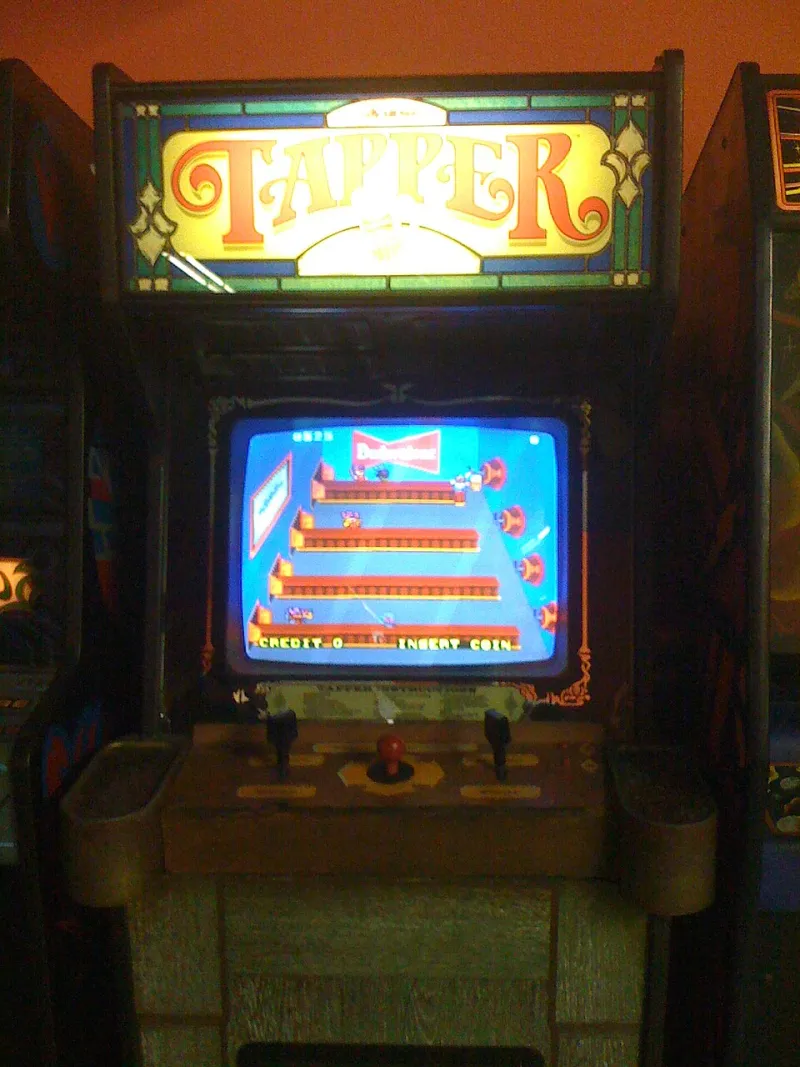
Photo: Rob DiCaterino from Jersey City, NJ, USA, CC BY 2.0, via Wikimedia Commons
On a wet November afternoon in Gateshead, the best lead I have is a pub with a broken fruit machine and a rumour about a tabletop arcade cabinet near the toilets. It is not glamorous. It is not the Nostalgia Museum. But when I put a 50p in and the screen flickers into life, the whole back room turns its head. That is the thing about these machines: they are not just objects. They are little engines for gathering people.
This is not a story about the arcade as a lost temple of the 1980s. It is about what happened after the arcades closed — the cabinets that scattered into the everyday spaces of the borough and somehow kept going. A pub here. A takeaway there. A community hall with a stack of folding chairs and a machine that has not been switched off since the last family fun day. They are the last cabinet standing in their own small corners, and most of them are not documented anywhere.
The trail starts with a flicker
My hunt begins in the town centre and drifts outwards: past the bus interchange, along the high street, through the side streets where the shops get smaller and the queues get friendlier. The first confirmed sighting is a cabinet tucked into the corner of a pub — not a pristine collector’s piece, but a working machine with a worn joystick and a screen that has the soft glow of a television that has seen things. The landlord tells me it came with the building. He has never thought of it as heritage. He thinks of it as something customers ask about when they are waiting for a pint.
That attitude is repeated across Gateshead. In a chip shop near the high street, a tabletop machine sits by the window, half buried under a stack of leaflets. In a leisure centre foyer, a cabinet hums beside the lost property box. In a community hall in the west of the borough, a machine is wheeled out for birthdays and fairs. None of these are arcades. They are just places where a cabinet happens to live.
And that is exactly why they matter. The classic arcade model — a room full of machines, a change machine, a queue for Street Fighter — has largely gone from the UK high street. But the cabinets themselves have not all gone. They have gone feral. They have adapted to chip shops, working men’s clubs, takeaways and church halls. They survive on 20ps, 50ps and the goodwill of whoever owns the keys.
Why a battered cabinet matters
It is easy to be sniffy about nostalgia. A lot of us have a story about a machine we played as a kid, and those stories can turn into misty-eyed fog. But there is a harder, more practical point here. Arcade cabinets are part of the borough’s social history. They were some of the first places where gaming was public: where you watched strangers play, where you learned to wait your turn, where a high score was a local reputation. They taught a kind of shared screen etiquette that predates online lobbies by decades.
In 2026, that matters. Most gaming happens at home, on a sofa, often alone. The surviving cabinets are a reminder that play can be a room full of people leaning over one screen. They are also accessible in a way that a lot of gaming is not: no console to buy, no subscription, no headset. Just a coin and a spare five minutes. For some people in Gateshead, that is still the cheapest way into a game.
The machines are also fragile. CRT screens fail. Power supplies go. Control panels get sticky, then unresponsive. Replacement parts are scarce, and the knowledge to fix them is not evenly spread. One owner tells me he keeps his cabinet going because a customer’s grandad plays it every Friday. Another says it is a conversation piece that pays for its own bulbs. Neither has a plan for what happens when it finally dies.
What the owners are actually up against
Nobody I speak to is running a museum. They are running pubs, shops, halls and centres. The cabinet is a small part of a bigger business or a busy community space. That shapes everything. Space is tight. Insurance is not designed for old electronics. Energy bills are real. A machine that takes 50ps cannot justify a specialist repair call-out unless someone is doing it for love.
So the machines survive on improvisation. A joystick is swapped from a spare. A screen is adjusted until the colours stop bleeding. A coin mech is bypassed or replaced. One owner admits he has a cabinet in storage because he cannot bear to skip it, even though he has nowhere to put it. That is the precarious middle ground: not lost, not safe, just waiting.
This is where a coordinated approach could help. Not a heavy council scheme, not a heritage plaque on every pub. A simple, community-led cabinet census would do more than another round of nostalgia posts. It would tell us what is actually out there, who owns it, whether it works, and what it would take to keep it working.
The case for a Gateshead cabinet census
The idea is straightforward. A shared record of surviving arcade machines in the borough: location, public access, game title, cabinet type, condition, cost per play, owner contact, and a photo with permission. Add notes on whether it is playable, whether it is in a kids’ area, and whether the owner is open to a repair visit or a future event. Keep it light. Keep it respectful. Do not turn it into a treasure hunt for collectors who turn up with a van and a chequebook.
The benefits are practical. A census would help match broken machines with people who know how to fix them. It could help venues share parts, advice and safety knowledge. It could give community halls a reason to dust off a cabinet for a Games Night. It could give local players a reason to visit a pub they have never been in. And it could stop another working machine from going to the tip because nobody knew it mattered.
There is a heritage argument too, but it is not about freezing these cabinets in glass. The point is to keep them playable. A machine that is switched off and roped off is a sculpture. A machine that takes 50ps and has a sticky joystick is a social space. Gateshead already knows how to do grassroots gaming — the board game nights, the console swaps, the library sessions. A cabinet census is the same instinct applied to a different kind of screen.
How to play your part
If you spot a cabinet in Gateshead, start with the basics. Ask staff before you take photos. Do not open the machine or poke around the coin mech. Note the game, the cabinet style, whether the screen works, whether the controls respond, and how much it costs. Check opening hours. Be honest about condition. And if you play, play nicely — do not hog it, do not thump the controls, and do not let a high score become a diplomatic incident.
The best research budget is still a handful of 50ps and a bit of patience. The best outcome is not a perfect database. It is a living map of places where a cabinet still has a pulse, and a group of people who know how to keep it that way.
The last cabinet standing is only last if we stop looking. There are more of them out there — in the back room, by the window, behind the folding chairs. Gateshead’s arcade heritage did not vanish. It downsized, adapted, and went local. Now it needs someone to notice it before the next screen goes dark.