The Coffee-Table Campaign: How a Gateshead Care Home Made D&D Its Own
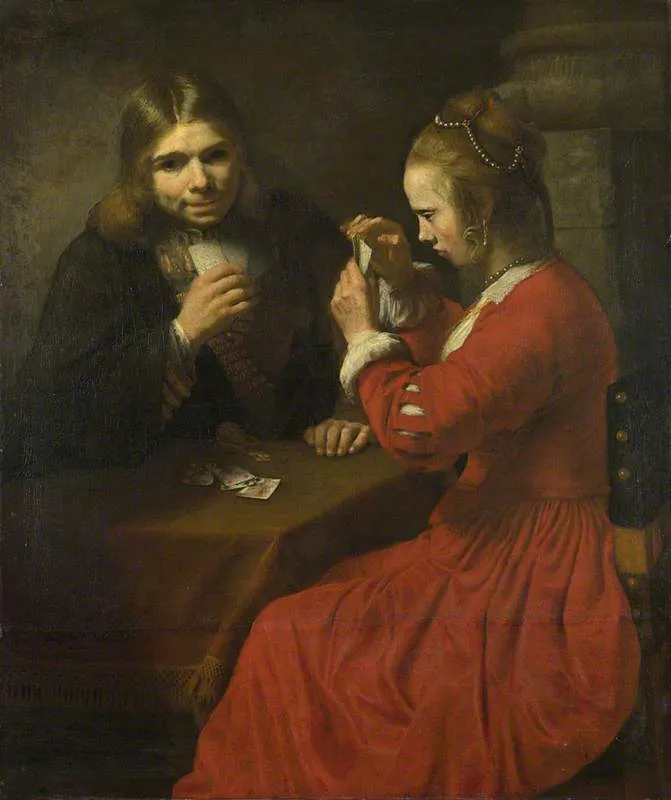
Photo: Follower of Rembrandt, Public domain, via Wikimedia Commons
The first thing you notice is not the dice. It is the custard creams. Then the laminated map, slightly too big for the coffee table, and the resident at the end of the sofa explaining why her character would absolutely not trust a talking fox.
This is a monthly Dungeons & Dragons club at a care home in Gateshead. It is not a tournament, a rules clinic or a youth club with chairs swapped out. It is a small, steady gathering of older gamers, volunteer GMs and activities staff, built around one idea: the story belongs to the people in the room.
No rulebooks on the table
The sessions are deliberately light on admin. There is no thick player's handbook passed around, no expectation that anyone will learn what a bonus action is before they are allowed to speak. Instead, the volunteer GM arrives with a one-page character sheet, large-print prompts and a scenario that can be explained in a couple of sentences.
Residents choose a character type — a wandering storyteller, a retired sailor, a nosy neighbour with a suspiciously useful dog — and then the game begins. Rolls happen, but they are simple. A single d20, a target number, a yes-or-no answer with a bit of flavour attached. If someone wants to do something that is not on the sheet, the GM says yes and finds a way to make it matter.
The care home's activities coordinator describes the setup as less of a campaign and more of a conversation with dice. That feels accurate. In one session, a resident who had barely spoken during the previous week spent ten minutes describing how her character would redecorate a abandoned lighthouse. Nobody needed to roll for that. It was just her turn.
The story is the character sheet
What makes this table work is that it does not ask residents to become fantasy heroes from scratch. It asks them to bring what they already have. A former nurse plays a healer. A resident who grew up around the shipyards invents a character who can tell what a boat is carrying just by listening to it. Someone else insists their character is a retired cat burglar who is now strictly law-abiding, apart from one very specific exception.
The GM's job is to listen for those details and feed them back. A session might involve solving a missing-pigeon mystery, negotiating with a stubborn shopkeeper or exploring a cave that is definitely not just the home's conservatory with the lights off. The rules are there to give the story a bit of shape, not to put a fence around it.
Staff have found that the format works best in short bursts. An hour is plenty. A break for tea is not optional. The group sits in a quiet lounge with good lighting and a clear exit, and nobody is asked to stay if they would rather watch. The atmosphere is closer to a coffee morning with a plot than a weekly gaming group with a schedule to keep.
What it does for the room
It would be easy to oversell this. A tabletop game is not a cure for loneliness, and a monthly club does not replace regular visits, good staffing or proper care. But the people involved are clear about what they have seen.
Conversations last longer. Residents who usually let others speak first start offering ideas. There is a shared thing to remember, which matters in a setting where days can blur. One resident now keeps a small notebook of 'campaign notes' — mostly reminders of who owes her character a favour and which pub the group is supposedly renovating.
There is also the confidence that comes from being the person who knows something. At a table, a resident can be the one who solves the puzzle, remembers the name of the innkeeper or points out that the GM has accidentally given the same voice to two different goblins. That is a small thing. It is also not small at all.
A format other Gateshead venues could borrow
You do not need a full D&D setup to try this. A community centre, library, working men's club or sheltered housing lounge could run a similar session with one volunteer GM, a member of staff and a handful of players. The kit is modest: a large-print character sheet, a few dice, pencils, paper and a story that can be explained in under five minutes.
The important bits are less glamorous. Talk to staff first. Find out who might enjoy it and who should not be put on the spot. Keep the group small. Build in breaks. Do not make anyone read aloud unless they want to. Use plain language and let people describe actions in their own words. If someone wants to play a character who is basically themselves with a sword, let them.
It also helps to treat the first session as a pilot rather than a campaign launch. Bring a short scenario that can be finished in an hour, with a clear ending and no homework. If it works, ask the players what they want next. The best plot hooks will come from them.
Before you roll
For venues thinking about it in 2026, the practical starting point is a conversation, not a rulebook. Speak to a local care home or community group about a one-off session. Find a volunteer GM who is happy to simplify, improvise and listen more than they talk. Keep the dice big, the chairs comfortable and the stakes low.
And do not worry if the map does not fit the table. In Gateshead, the best gaming nights rarely look like the pictures. They look like a room where someone has just said, 'Go on then, what does your character do?' — and everyone leans in to find out.