The Bag That Saves the Night: Six Non-Game Things Every Gateshead Table Needs
Photo: Stephanie cheks, CC BY-SA 4.0, via Wikimedia Commons
Everyone packs games. Almost nobody packs the other stuff. Then the d6 rolls under a radiator, the phone dies at the exact moment the scores are being totted up, and a four-player game stalls because the pub table is at that specific angle where a card slides into someone's pint.
This is the kit that fixes all of that. Six things, none of them games, all of them cheap. If you run a table in Gateshead — or you're the person in your group who always ends up running the table — this is your bag.
1. A dice tray and six spare d6s
Every Gateshead venue seems to have one floor with a slight slope, and every cheap dice set seems to contain exactly one die that loves it. A small folding dice tray is the single highest-value pound you will ever spend on this hobby: it stops dice rolling into bags, off tables and down the gap by the radiator that nobody has ever managed to retrieve anything from.
The spare d6s matter for a different reason. Games get separated from their components. Someone's set lives in a different bag. A brand-new player turns up with nothing. Six matching dice in a small pouch means you never have to say the words "we can't play this, it's missing two", which is the most deflating sentence in the hobby.
2. A phone bank
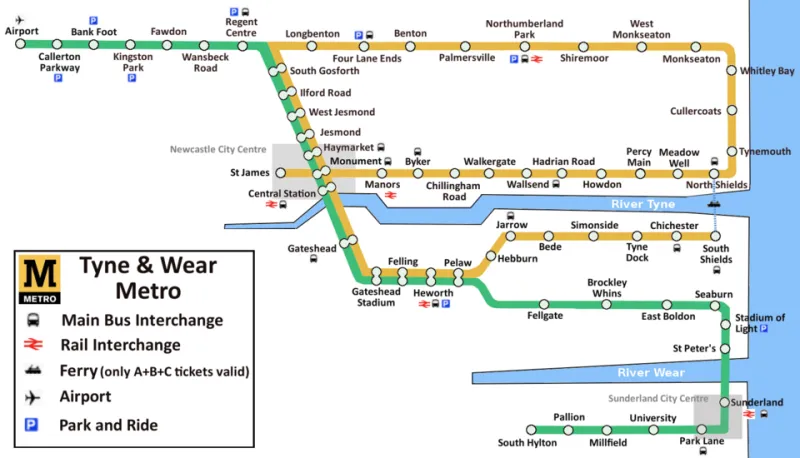
Not a metaphor. A small case with a couple of cables and a power pack. On a Metro-based evening a dead phone isn't an inconvenience, it's a route home problem — no map, no ticket, no way to tell anyone where you are. And on the table, the person keeping score is almost always the person whose battery is lowest.
Bring a multi-head cable. Two is better than one. Charge your own phone before you leave so that the bank is for other people, which is the entire point of a bank.
3. A timer nobody argues with
A physical timer, cheap and slightly annoying, is worth more than any app. Phones on the table invite glances at notifications, and glances at notifications end game nights early in a way games never do.
It solves two very specific Gateshead problems. First, the last train: agree a hard stop and let the timer carry the bad news so no one has to be the person who ends the fun. Second, and more importantly, the quiet player who hasn't had a turn since the last century. A turn timer sounds harsh and is in fact kinder than the alternative, which is a game that takes ninety minutes longer than it should and a table that quietly stops enjoying itself.
4. Cloth, wipes and a small bottle of something
Pub tables are sticky in ways you only discover with a card in your hand. In Gateshead that's practically the local terrain: Sunday roasts, spilt squash, whoever had the nachos before you.
Carry a microfibre cloth and a pack of wipes. Ninety seconds at the start of the night turns any surface into a playable one, and it saves sleeves, card edges and the resale value of whatever someone has brought out of their own collection. If a stranger's game goes home sticky because of your table, they remember.
5. Spare sleeves and a marker
Here's the boring one that earns its place. A pack of penny sleeves protects borrowed cards. A permanent marker does the jobs nobody plans for: writing names on the back of score sheets, labelling someone's dice bag, and — crucially — putting your name and phone number inside every box you brought out of the house.
Games get left behind in function rooms and cafés, and a bag on a Metro seat looks like every other bag on a Metro seat. A name inside the lid gets a box back to its owner. It has never once failed.
6. A folding cloth that turns any surface into a board
Not a playmat, and not the bulky roll-up kind. A plain cloth roughly a metre square, folded flat in the bag. It converts a wobbly café table into something cards can be picked up from, stops pieces rolling into the gap between two pushed-together tables, and signals to everyone around you that this table is now the games table. It also decides who sits where, which saves an argument nobody wants to have in front of a newcomer.
The under-a-tenner kit
You do not need to buy any of this new, and you certainly don't need one of those purpose-branded kits that costs the price of three games. Here's the charity-shop version, which is honestly better.
- Cloth: a cotton tea towel, 50p, from any of the shops along the high street. It's not square. It doesn't matter.
- Dice tray: a shallow wooden tray or a small picture frame with a bit of felt glued in. Two or three quid, and the felt is often free off a cut-off.
- Dice: a couple of bags of mixed dice from a car boot sale. Three pounds gets you more d6s than you'll ever need, and a few weird ones that entertain children at the end of the night.
- Phone bank: whatever cable is in the drawer, plus a cheap power pack. If you don't already own one, this is the only item worth buying new.
- Timer: a kitchen timer from a kitchen drawer. Or a charity-shop oven timer for a pound.
- Wipes and cloth: a pocket pack and a spare microfibre.
- Marker: the one from the drawer that mostly works.
- Sleeves: a single pack, bought once, lasts a year.
Total, if you're starting from nothing but a kitchen drawer: comfortably under a tenner, and most of it will come from shops in Teams, Low Fell or Birtley rather than a gaming website.
The kit doesn't make a night good. People do that. But it's the difference between a night that runs and a night that grinds to a halt over two missing dice and a phone at four per cent. Pack the boring stuff. Be the person with the spare d6. Every table remembers the hero who produced one.