Signed, Not Generated: Drawing a Workable Line on AI Art at Gateshead Game Nights
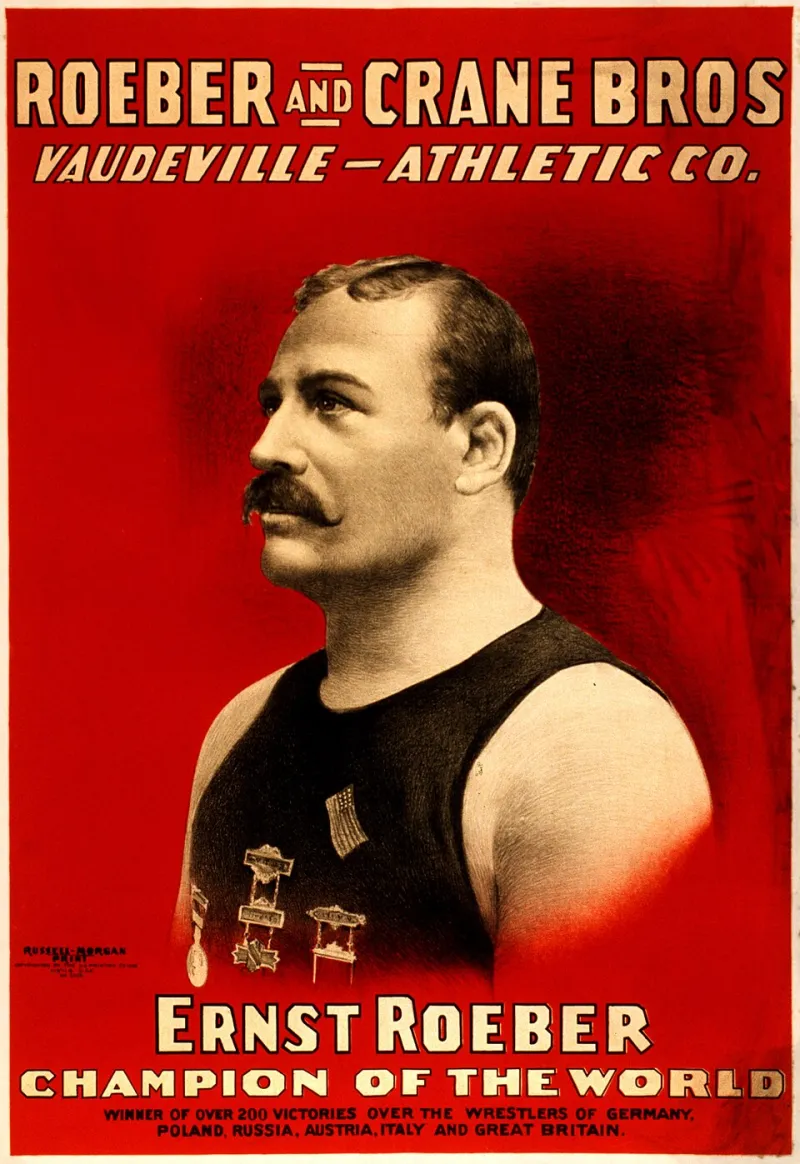
Photo: Lithograph by Russell-Morgan Printed by the U.S. Printing Co., Cincinnati, Ohio, U.S.A., Public domain, via Wikimedia Commons
The poster for a small gaming night in Gateshead goes up on a noticeboard near the bus stop. It's a decent poster: bold type, a d20, a nice bit of lighting on a painted tavern table. Nobody looks at it twice. Then somebody does, and asks the question that has started quietly dividing clubs across the borough: was that made by a person?
It's a fair question, and the answer is going to be increasingly hard to dodge.
The Poster Is the Front Door
A gaming night's artwork isn't decoration. It's the first thing a nervous newcomer sees, and it tells them what kind of room they're walking into. That's exactly why this argument gets heated: it's not really about pictures. It's about who the club is for, and who gets paid when the club needs something made.
What Organisers Are Actually Worried About
Talk to the people running these nights and you won't find many evangelists for generative tools. You'll find tired volunteers.
"I make the poster at half eleven on a Tuesday after the kids are down," one organiser told me. "If I spend forty quid on art, that's the raffle budget gone for three months. If I use a free tool, it takes six minutes. I know it's not ideal. I'd love an alternative that costs six minutes."
That's the practical tension in one sentence. Grassroots gaming runs on unpaid labour and near-zero budgets. Any rule that ignores that reality will simply be broken quietly and often.
What Artists Are Saying
The artists we spoke to weren't arguing for purity. They were arguing for the front door.
"I don't care that someone uses a tool to knock up a flyer for a Tuesday club," says Ruth, an illustrator who has done work for board game nights on both sides of the Tyne. "I care that the paid work — the tournament poster, the zine cover, the thing with a ticket price and a sponsor's logo — keeps going to humans. That's the bit that's becoming a race to the bottom."
There's a second concern, and it's less about money: attribution. If AI art becomes the default for character portraits, the hobby loses one of its warmest traditions — someone sitting down and drawing your terrible gnome for you, badly, for free, as a gift.
Why a Blanket Ban Doesn't Hold
Banning AI art outright sounds decisive and is nearly impossible to run. How do you check? Do you demand screenshots of layers? Do you turn away a disabled player who uses generative tools because holding a stylus for four hours isn't an option? Do you interrogate the 11pm poster volunteer?
An unenforceable rule teaches people that the rules are optional. That's a worse outcome than a labelled image.
A Workable Community Standard
Here's a proposal, short enough to put on a poster:
- Label it. One line of credit — "art by Sam, AI-assisted" — and, for human-made work, the artist's name and a link. Disclosure, not a scarlet letter.
- Nobody's character but yours. Don't generate a portrait of another player's character, or a photoreal image of a real member, without asking. That's just table manners.
- Pay for the front door. Anything with a ticket price, a sponsor or a shop behind it commissions a human artist. Scrappy free club nights can be scrappy.
- Keep a human hand at the table. Character portrait nights, zine pages and the club's own logo stay human-made — those are the bits people keep.
- Publish the rule and stick it on the sign-in desk. A policy nobody can read is a policy nobody follows.
Add one more thing: a small art fund. Five per cent of door takings, or a fiver in the raffle, ring-fenced to commission local illustrators for the two or three big nights a year. It won't be much. It will be real.
The Line Worth Drawing
The interesting question isn't "AI or not." It's "who gets the paid work, and does anyone know what they're looking at?" Answer those two honestly and the rest follows. Label the image, ring-fence the commissions, and let a club's art say something true about the club — including how it was made.