The 12:15 Club: How Gateshead’s Remote Workers Turned Lunch Into a Gaming Scene
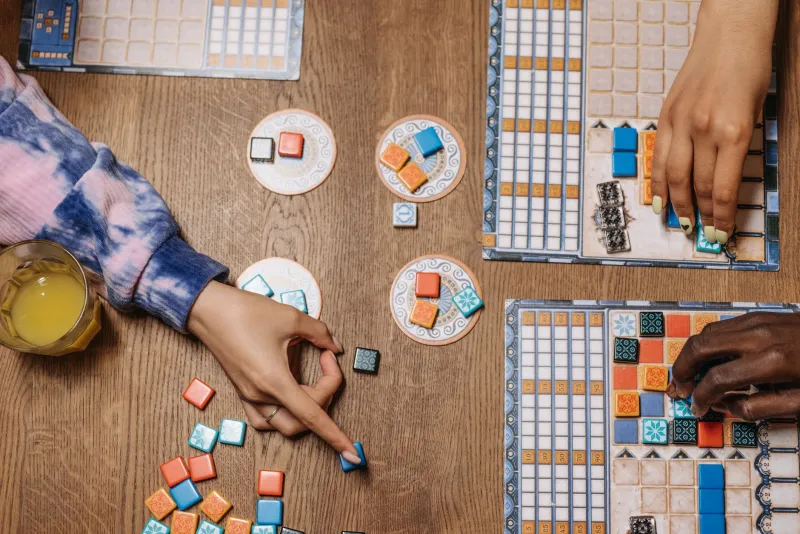
In a café a short walk from Gateshead Interchange, the clock hits 12:15 and the laptops go down. Someone produces a small box from a rucksack, someone else shifts the sugar sachets to one side, and for the next forty-five minutes the table belongs to a game. This is the lunchbreak lobby: not a formal club, not a league, not a five-hour campaign. Just a handful of remote and hybrid workers turning the middle of the working day into a low-stakes, high-frequency way to play.
It makes sense that it has taken hold in 2026. Hybrid work has settled into something like a routine for plenty of people across Gateshead, and with it comes a strange new pocket of time. The commute is gone for some. The office kitchen chat is gone for others. What’s left is a lunch hour that can feel a bit untethered if you’re used to having people around. A forty-five-minute board game is not going to solve the world, but it does put a bit of shape back into the day.
Who actually turns up?
The lunchbreak lobby is not one type of person. On any given weekday you might find a software developer from a spare room in Low Fell, a project manager who splits her week between home and a shared workspace near the High Street, a freelance designer who has not spoken to another human since Tuesday, and a part-time worker who simply likes the idea of playing something that finishes before the coffee goes cold.
What they share is a preference for short, teachable games. Think Love Letter, Sushi Go!, Dobble, Jaipur, Hive, The Mind, or a quick round of Codenames Duet. Nothing that needs a rules explanation longer than the queue at the counter. Nothing that requires the same people to turn up next week. Nothing that makes you feel guilty if you have to leave mid-sentence because a meeting has been moved forward.
That last point matters more than it sounds. Evening gaming clubs ask for a different kind of commitment. You have to get home, eat, get back out, and sometimes you are still playing when the last bus is looming. The lunchbreak session asks for less. It asks for a sandwich, a short walk, and the willingness to sit down with strangers for the length of a podcast episode.
Forty-five minutes changes the social weather
There is a particular atmosphere to a midday game that you do not get at 8pm. For a start, everyone is awake but not wired. The stakes are low because the day is still going. You are not trying to squeeze a whole evening of socialising into a Tuesday night; you are just trying to have a nice lunch. That takes some of the pressure off.
It also makes the table easier to join. A long evening session can feel like walking into a room where everyone already knows the in-jokes. A lunchbreak table is usually gone by the time any in-jokes have formed. You can turn up, play two rounds of something silly, learn three names, and leave. If you never come back, nobody minds. If you do come back, you are suddenly part of the furniture.
There is a practical rhythm to it, too. The game has to fit the break, not the other way around. That means quick setups, small footprints, and a shared understanding that packing away starts at 12:50, not 13:00. In a café, that matters. You are borrowing a table, not renting a function room. The unspoken rule is simple: buy something, keep the volume reasonable, and do not turn the corner table into a permanent encampment.
The café is the venue, and the venue has a say
For cafés and shared spaces, a weekday lunchtime game is not automatically a win. It depends on the room. A busy café near Trinity Square might be delighted to have four people buying coffees and paninis in a quiet midweek slot. A tiny independent with three tables might not have the space. The trick is to ask first, start small, and be the kind of customer who makes the staff’s day easier rather than harder.
That means a few basic courtesies. Ask whether a small board game is okay. Order something. Keep the box tidy. Do not spread out across six seats if there are only two of you. If the café gets busy, pack up early. And if you become a regular, say thank you. The lunchbreak lobby only exists because a venue has decided that a table of gamers is a reasonable use of a Tuesday lunchtime.
Some people will prefer a shared workspace with a breakout area, a community centre room, or a quiet corner of a library. Others will find that a café works fine because the whole point is informality. The venue does not need to be a gaming café. It just needs a table, a bit of tolerance, and a decent sandwich.
How to find one, or start one
The good news is that the lunchbreak lobby is easy to replicate. It does not need a committee, a constitution, or a logo. It needs two people and a game that fits in a bag. If you are remote or hybrid and you live in Gateshead, start with the cafés and shared spaces you already use. Ask the staff if a small game would be alright. Put a note on the community noticeboard. Mention it in a local WhatsApp group. Bring a game you can teach in five minutes and be prepared to play it with two people.
If you are looking to join one, look for the small signs: a box on a table, a group of two or three people who are clearly not in a meeting, a café that has a shelf of games by the till. Ask if you can join. The worst that happens is that someone says the game is already full. The best that happens is that you have somewhere to go on a Wednesday lunchtime that is not your kitchen table.
The lunchbreak lobby is not going to replace the evening club, the board game league, or the weekend all-dayer. It is not trying to. It is a front door. It is the lowest-friction way to play with other people in Gateshead, and for anyone who has ever felt that local gaming is something other people do, that might be exactly what they need. Forty-five minutes is plenty. Bring a small box. Buy a coffee. See who turns up.