The Noticeboard Is the Algorithm: How Gateshead Finds Its Gaming Nights
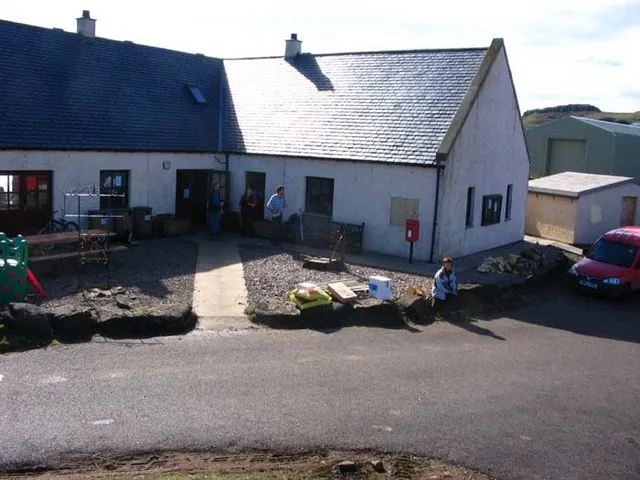
Photo: Dumgoyach, CC BY-SA 2.0, via Wikimedia Commons
On a damp November evening in 2026, the route to a game night in Gateshead can start with a laminated A4 sheet flapping behind a pub door. Ask a regular how they found their Thursday board game table and you will rarely hear 'I looked it up.' You will hear 'someone at work mentioned it', 'there was a sign in the window', or 'I got added to a WhatsApp group after a one-off night'. Gateshead's grassroots gaming scene runs on a patchwork of pub noticeboards, shop windows, community centre corridors and private Discord servers. It is charming, human and almost impossible to search.
The physical internet is still doing the work
Walk through Low Fell, Bensham, Felling or the streets around the town centre and you will spot the physical internet: a corner shop window with a fighting-game night flyer, a pub door carrying a laminated sign for a Sunday card table, a community hall noticeboard with a warhammer league tucked between a yoga class and a missing cat. None of it is indexed. All of it is local.
That is the first thing the patchwork gets right. A handwritten sign with a mobile number feels less corporate than a ticketing page. It tells you a real person is behind the night. It also filters for people already in the area, already passing the venue, already curious enough to stop for ten seconds. In a borough spread across estates, high streets and riverside flats, that hyperlocal signal matters.
WhatsApp is the real mailing list
For organisers, the WhatsApp group is often the engine room. It is where the 'we're one short for Catan' message goes out at 6.40pm. It is where a venue change gets sorted in three replies. It is where a newcomer gets vouched for by a friend of a friend. The same is true of the private Discords that sit behind some of Gateshead's regular gaming nights. They are brilliant for regulars: good for scheduling, good for sharing rules PDFs, good for keeping a community warm between sessions.
But both are closed doors. You cannot browse a WhatsApp group. You cannot search a locked Discord from the outside. If you are new to the area, or new to gaming, or simply not on the right friend's contact list, the trail goes cold.
What the patchwork leaves out
The informal network is not a failure. It is just uneven. Noticeboards only work if you walk past them. Pub windows only work if you feel comfortable walking into a pub. WhatsApp only works if someone adds you. Discord only works if you already know the server exists.
That leaves out more people than organisers sometimes realise. Shift workers who cannot commit to a weekly thread. Parents who need to know whether a venue is pushchair-friendly before they turn up. Disabled players who need access details before they make the journey. Older gamers who are not on Facebook, Instagram or Discord. New arrivals who do not yet have a local mate to vouch for them. People who do not drink and might read a pub noticeboard as a closed door rather than an open invitation.
None of this needs a full rebrand. It needs a public shop window.
One shared habit, not a new platform
The simplest fix is not a slick events portal. It is a shared listings habit. Every organiser posts the same six details in the same order, in public, at least a week ahead: what the night is, when it runs, where it is, what it costs, whether the venue is accessible, and who to contact. Then they cross-post it to one public place that does not require an account to read.
That could be a pinned post on a public Facebook page, a simple page on a venue's website, or a shared community listings thread. The point is consistency, not polish. A standard format means a newcomer can scan five different nights and compare them without decoding five different styles of flyer. It also means organisers can keep using the tools they already like. The WhatsApp group can stay chatty. The Discord can stay private. The laminate can stay in the window. The public listing is just the front door.
Keep the charm, open the door
There is a real risk in trying to make grassroots gaming too tidy. Gateshead's scene works because it feels like people, not product. A standard listing should not turn every game night into a corporate event page or force organisers to hand over control of their community. It should be a low-effort habit: six lines, one public place, repeated every week.
Here at Gateshead Gaming, we would love to see more of that. Not because noticeboards are bad, but because they are good enough to deserve a backup. A poster can still be the first spark. A public listing can be the thing that makes the spark findable for someone who was not in the right pub on the right Tuesday.
Gateshead does not need a box-ticking events portal. It needs the noticeboard to have a public twin. Same personality, same local knowledge, just one more door that opens from the outside.