The Ask Before the Shuffle: Turning a Gateshead Local Into a Game Night Host
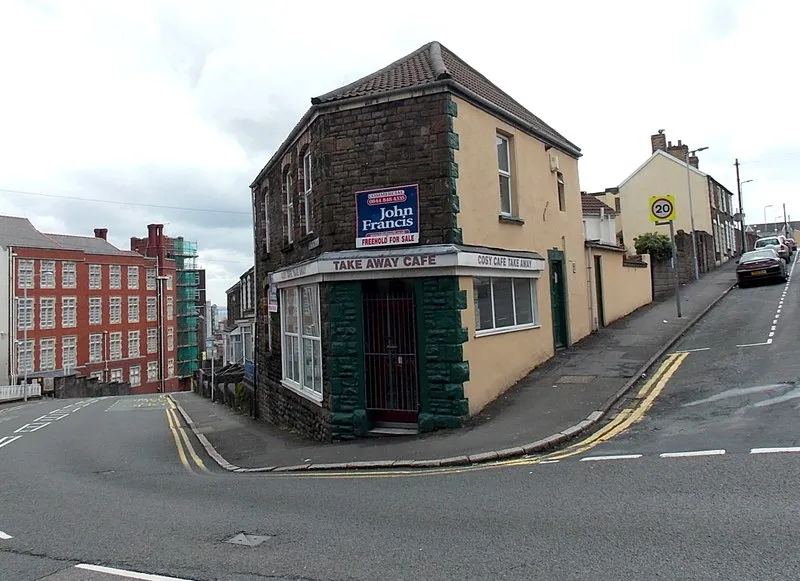
Photo: Jaggery , CC BY-SA 2.0, via Wikimedia Commons
You have found the room. Maybe it is the back of a café in Low Fell, a function space above a pub near the Teams, or a community hall in Felling that smells faintly of tea and old carpet. You can already see the tables, the cards, the quiet corner for a rules explanation. Now comes the bit that trips up more gaming nights than a missing dice: asking the venue.
The temptation is to lead with enthusiasm. We love this place, we love games, please let us play here. That is understandable, but it is not a pitch. A venue needs to know what is happening, when it is happening, who is coming and what it will cost them. The good news is that Gateshead is full of rooms run by people who understand community. If you make the ask clearly and make the first night small, you have a much better chance of turning a favourite local into a proper gaming home.
Start With the Room, Not the Roll
Walk in at a quiet time. Not Friday at 7pm, not Sunday lunch. Ask for the manager or the person who handles bookings, and say you have a specific idea for a quiet night. Bring one page, not a folder. Be ready to explain the shape of the evening in a few sentences: board games, card games or a console set-up; a start and finish time; a cap on numbers; and a trial run before anyone commits to a monthly arrangement.
The key word is predictable. A venue will forgive a small night. It will not forgive a vague night that turns into twenty people, three tables and a queue for the toilet. Say what you will bring, what you will move, what you will clean and what you need from them. If you can offer a Tuesday in February rather than a Saturday in December, say so. Off-peak rooms are easier to say yes to.
What Venues Actually Need to Hear
Most cafés, pubs and halls are not waiting for a gaming convention. They are waiting for people through the door at times when the till is quiet. So make the case in their language: footfall, regular bookings, a calm atmosphere and a reason for local people to come back. A gaming night can be all three, but only if it is run well.
Be honest about spend. If the venue is a café, say you will encourage people to buy a drink and a snack, and ask whether there is a minimum spend. If it is a pub, ask whether a quieter night suits them better than a loud one. If it is a community hall, ask about the hire fee, key arrangements and whether the committee needs anything in writing. Do not promise a hundred people. Promise a tidy table, a clear finish time and a group that respects the room.
The Short Pitch That Opens Doors
You do not need a business plan. You need a short, friendly ask that answers the obvious questions before they are asked. Adapt this template and keep it to one side of A4.
Hi [name], I run a small local gaming group in Gateshead and I am looking for a regular home for a quiet games night. I would like to trial a Tuesday evening, 6pm to 9pm, for up to 16 people. We would bring our own board games and card games, set up on two or three tables, and pack down by 9.15pm. We would encourage everyone to buy a drink or something to eat, and we would promote the night to our own group and local noticeboards. Could we book a one-off trial in the next few weeks and see how it goes? I am happy to pop in and talk it through at a quiet time.
That is the shape of it. Adjust the day, time and numbers to suit the venue. If you are asking about a community hall, add a line about public liability insurance and a named person who will be on site. If you are asking a café about an after-hours event, ask whether staff would need to stay on and how that affects cost. If you are asking a pub, ask about their licence hours and whether a quiet game night fits alongside whatever else is on.
The Checklist Before You Shake Hands
A yes is brilliant. A yes that has been thought through is better. Run this checklist before the first night, and keep the answers somewhere you can find them.
Space and set-up
- How many tables and chairs are available, and can they be rearranged?
- Is there power for a console or a laptop, and are extension leads needed?
- Is the lighting good enough for small card text without being harsh?
- Is there a separate room or a quiet corner for rules explanations?
- Where can bags and coats go without blocking walkways?
- Is there storage for a small box of games between sessions?
Licensing and house rules
- What are the venue’s licensed hours, and does your finish time fit inside them?
- If alcohol is served, what does the venue expect from your group?
- Will there be music, a raffle or any paid prize? Ask before assuming it is fine.
- Does the venue have its own rules on under-18s, and do you need a guardian or ratio?
- If you are taking photos or videos, how will you ask for consent?
This is not legal advice, and it is not meant to be. It is a prompt to ask the venue rather than guess. Licensing is the venue’s business, but your night becomes part of their business the moment it is on their calendar.
Access and comfort
- Is the entrance step-free, and are the doorways wide enough for a wheelchair or mobility aid?
- Is there an accessible toilet, and is it open during the event?
- Are the chairs comfortable for a three-hour session?
- Is there a quieter area for anyone who needs a break from noise?
- How do people get there by bus, Metro or car, and what is the last reasonable journey home?
Accessibility is not a tick-box at the end. It is part of choosing the room. A venue that cannot meet your group’s needs is not a failure; it is information. Use it to ask what could change for a future night.
Costs and responsibilities
- Is there a room hire fee, a minimum spend or a deposit?
- Does the venue need public liability insurance from you?
- Who cleans up, and what does “clean” mean in practice?
- Are there any staff costs for later opening or extra hours?
- What is the cancellation arrangement if the night does not fill?
Write the answers down. If the venue asks you to confirm by email, do that. A short message after the conversation keeps everyone honest and makes the second booking easier.
Make It Easy to Say Yes — and Easy to Repeat
The first night should be deliberately small. Cap it, book it, promote it and turn up early. Bring your own games, a few spare pencils, a couple of extension leads and a cloth for the tables. Label your boxes. Do not leave a pile of cardboard and crisp packets for someone else to deal with. Thank the staff on the way out, and tell them what worked.
Then ask for the second date before you leave. Not a full year, not a grand partnership. One more night. If the venue sees a calm room, paying customers and a group that respects the space, the conversation changes. You are no longer asking for a favour. You are offering a reliable local night.
Gateshead has plenty of rooms that could hold a great gaming table. The trick is to ask like a neighbour, plan like a host and start small enough that the venue can say yes without holding its breath. The best game night is not the one that takes over the pub. It is the one the pub is glad to have back next week.